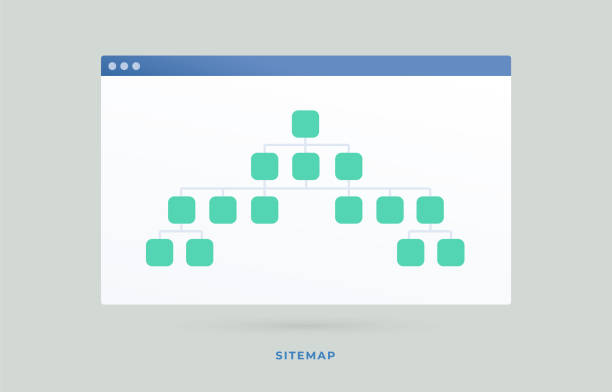

I didn’t wake up one day thinking wow, today I’ll obsess over a sitemap generator. It kinda happened by accident. I was two coffees deep, staring at Google Search Console yelling at me with “Pages not indexed” like it was my disappointed school teacher. Back then I thought SEO was mostly about keywords and links and praying to the algorithm gods. Turns out, a sitemap thingy matters way more than people on Twitter SEO threads admit.
A sitemap generator, if I had to explain it to my cousin who sells sneakers on Instagram, is like giving Google a rough map of your website instead of letting it wander around lost like me in IKEA. Google can still find stuff without it, sure, but why make life harder for anyone involved.
So What This Tool Actually Does (In Human Language)
Think of your website as a messy room. Pages everywhere, some hidden under the bed, some forgotten behind old blog posts from 2018. A sitemap generator basically walks into that room, looks around, and writes a list saying “hey Google, these pages exist, please notice them.” That’s it. Nothing fancy, no magic spell.
What’s funny is most people assume Google is smart enough to find everything. Yeah, it is smart, but it’s also busy. Like, extremely. There’s this stat floating around SEO Slack groups that nearly 30 percent of pages on small websites never get indexed properly. Not because they’re bad, just because no one told Google clearly that they exist.
I learned this the annoying way. One of my older articles was actually decent, not viral or anything, but helpful. Zero impressions for months. Added a sitemap, resubmitted, and boom. Not instant fame, but at least Google acknowledged my existence. It felt nice.
Why Websites Even Need This Stuff in 2025
People online love saying “SEO is dead” every year, like it’s some tradition. Meanwhile Google still runs most of the internet traffic shows. And Google still loves structure. A sitemap generator gives that structure without you manually crying over XML files.
Especially for sites that keep changing. Blogs, ecommerce, service pages that get edited every week. Without a sitemap, Google might keep checking old pages and ignore new ones. It’s like texting someone your new address and hoping they’ll guess it.
There’s also this underrated benefit nobody talks about much. Sitemaps help Google understand what you think is important. Not everything, just the pages you care enough to list. It’s subtle, but it matters.
My Slightly Embarrassing Mistake With Sitemaps
Confession time. Early on, I generated a sitemap and forgot to update it for months. I thought it was a one-and-done thing. Rookie mistake. Websites evolve, sitemaps should too. SEO Twitter had a whole meltdown once about “stale sitemaps” and I was quietly deleting mine and regenerating it like no one would notice.
A sitemap generator makes this less painful. Most of them auto-update. You don’t have to touch anything. Which is great, because honestly who remembers to do this manually.
Do All Sites Need One? Kinda, Yeah
Even small sites benefit. I’ve seen people with five-page websites say “nah I don’t need it.” Maybe not urgently, but why skip something that takes five minutes and could help? It’s like refusing to put your name on your resume because it’s short anyway.
Large sites though, they absolutely need it. Especially ecommerce stores. Thousands of product pages, filters, categories. Without a sitemap, it’s chaos. Some SEO forums even say Googlebot has a crawl budget, like a limited attention span. Waste it, and some pages just don’t get love.
What People Online Are Saying (And Complaining About)
Reddit SEO threads are full of sitemap arguments. Some folks swear it boosted their indexing speed. Others say it did nothing. Typical internet. Truth is, it won’t magically rank you number one. Anyone promising that is lying or selling a course.
But most experienced SEOs agree on one thing. A sitemap generator won’t hurt you. At worst, it does nothing. At best, it saves your content from being invisible. That’s a decent deal.
Also funny thing, Google itself literally recommends using sitemaps. Yet people still debate it like it’s optional seasoning.
When You’ll Notice the Difference
Usually after submitting a sitemap, Search Console starts showing more indexed URLs. Not always instantly. Sometimes it takes days. Sometimes weeks. SEO patience is a real test of character. I refresh Search Console more than I refresh Instagram, which says a lot.
If your site has deep pages, like blog posts buried under categories, that’s where the impact shows. A sitemap generator basically shines a flashlight into those dark corners.
Wrapping This Up Without Making It Sound Like a Conclusion
If you’re building anything online and want search engines to take you seriously, a sitemap generator is one of those boring-but-useful tools. Not exciting, not trendy, no dopamine hit. Just quietly helpful.
I used to ignore it. Now it’s one of the first things I set up on any site, right after analytics. It won’t replace good content or links or whatever Google decides it loves this month, but it makes sure your pages at least get invited to the party. And honestly, being invited is half the battle.